
RETURNS MANAGEMENT

Printing a return label is only the first step.

Pallet & Parcel turns returns into a workflow you can actually run: receive the item, inspect it against your criteria, route it to the right next step, and loop in the right person when a decision’s needed. Before the first box comes back, we map the rules behind your returns, not just the return address.

THE OPERATING VIEW

Returns are a customer experience and an inventory decision

Every return touches saleable inventory, customer support, product quality, recovery value, and the next order. A good returns program puts the rules in writing: what gets inspected, what evidence you need, which items go back to stock, what gets held or disposed of, and who signs off on the exception.

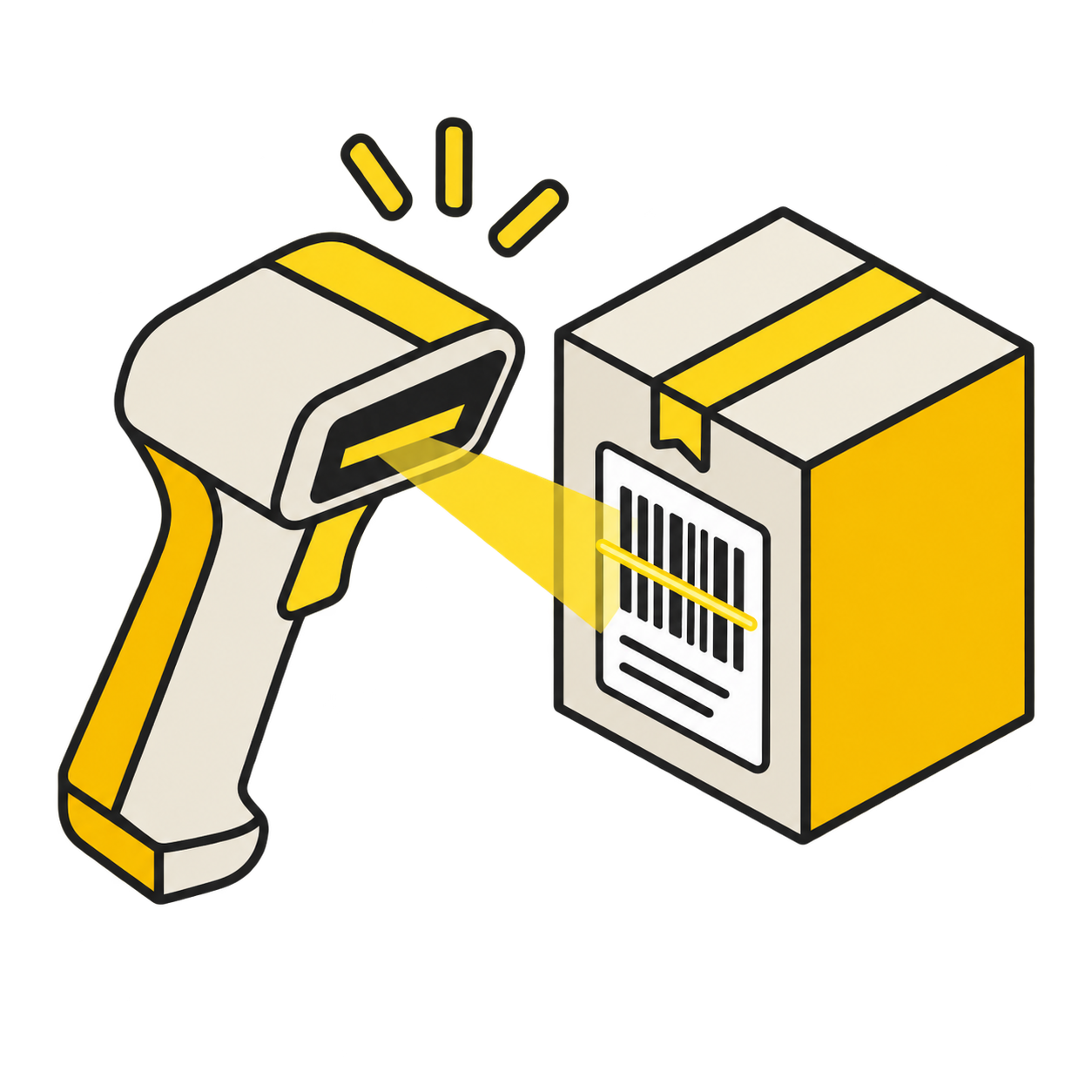
Barcode scanner supporting controlled return identification and inspection
RETURN RECEIPT → DECISION

From return receipt to a decision

01

Set the rules before the first return arrives

Together we define return channels, what information comes with each return, products that need special handling, inspection criteria, photos or other evidence, reason codes, disposition options, and who on your team is authorized to make the call.

02

Receive and identify the item

We receive the return under the agreed process and identify what’s arrived, which order or authorization it belongs to, and whether it can move through the normal workflow.

03

Inspect and disposition

We apply your approved criteria. Depending on scope, an item gets restocked, repackaged, quarantined, held for your review, returned to a vendor, recycled, or disposed of.

04

Update, report, and escalate

We record the outcome in the agreed system and report it. If a return doesn’t match the rules (wrong item, damage, missing components, something suspicious, or a gap in the rules), we tell the right contact what happened and what we need next.

RETURNS DATA

What your returns data should show you

QuestionWhy it matters
01Why are products coming back?

Recurring reasons point to product, sizing, packaging, listing, or delivery problems.

02What condition are returns in?

Condition decides whether inventory goes back to stock, needs a review, or can’t be resold.

03How long does the process take?

Slow inspection or slow decisions leave saleable inventory sitting and customer cases open.

04Where are exceptions building up?

A visible exception queue lets your team and ours fix the right problems instead of guessing.

FAQ

Questions? We’re here to help.

What is returns management in ecommerce fulfillment?+

It’s the reverse-logistics workflow behind every return: receive the item, identify it, inspect it against agreed criteria, make or request a disposition decision, update inventory and your systems, and report the outcome.

What happens to a returned product after it reaches the warehouse?+

That depends on your approved rules and the item’s condition. The workflow can call for inspection, evidence, reason coding, restock, hold, repackaging, quarantine, vendor return, recycling, or disposal. We agree the options with you before launch.

Can you restock returned inventory?+

Restock rules are part of the returns scope. You define which products and conditions qualify, what inspection is required, how the inventory update happens, and what we do when an item doesn’t make the cut. We run the restock behind those rules.

How are return exceptions handled?+

The workflow spells out what triggers an exception, what information we send you, who owns the decision, and when you hear about it. That keeps a damaged, incomplete, or unclear return from becoming an invisible inventory problem.

Can returns be connected to Shopify, Amazon, TikTok Shop, or other channels?+

We review the systems and channels in your returns program with you. Integration, data flow, the customer-facing process, and platform limits all depend on your stack, so we map them against your setup before launch.

How is returns management priced?+

Pricing follows the work: return volume, receipt, inspection, photo evidence, disposition, repackaging, storage, system work, special handling, and any project or accessorial requirements. We scope the workflow before we quote.

READY TO MAP THE RULES?

Talk to an operator

Tell us what comes back, what your team needs to know, and which decisions should never happen without you. We’ll build the workflow behind it.

Talk to an operator